

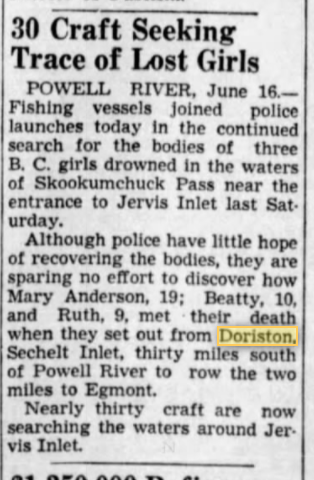
This morning I have been thinking of the soft landscape around my grandfather’s village in Ukraine and how my photographs from a 2019 visit helped me to write the Ukrainian sections of my novel, Easthope. In the novel, the main character visits a village very like my grandfather’s, though her family history is not mine, and what she discovers there, the long threads of connection, some snipped, some tangled and knotted, inspire her to paint her way into a greater understanding. Her name is Tessa (and if you’ve read my other novels, you might recognize her as the child in The Age of Water Lilies) and I’ve given her an adjacent life, if that makes sense. She and her husband live in a house on the Doriston Highway, the first house John and I looked at in 1979 when we were trying to work out a way to live here (though we didn’t quite know that then; we thought we could spend summers, maybe a week or two in other months of the year too). We didn’t buy that house but Tessa and Marsh inherited it. Fiction lets you do that. And so it goes. She paints. (I can’t.) Marsh has a refurbished Columbia River gillnetter. (I don’t.) Tessa’s Ukrainian relations are not mine.
My novel is out on submission and maybe one day it will be published. I keep opening the file to read particular passages, maybe just to make sure they’re still there. That Tessa is still there, making her art, in the house on the Doriston Highway, the one with a secret room off the studio, filled with….Oh, you’ll have to wait to find out.
As the date for the show at the Arts Centre approached, Tessa found herself painting daily. Not work she intended to include in the show—those choices had been made with Sandra and she was happy with the selection they’d decided on—but new work. The dream of the
Sovytsya River, her grandfather floating away. She’d painted Stepaniya brushing her hair, baby Olena tucked into a basket. Over them, silver fir and beech. She’d cut a scrap of pink wool and carefully edged it with satin ribbon and if you lifted the edge, you could see Olena’s smocked nightdress and a tiny stuffed duck she’d made of yellow felt. Her grandfather floated on his back, eyes closed, and ahead of him, in the undulating surface of the water, she made a little pocket. She thought about how to do this for days and opted for cotton and adhesive, painting the cotton the same colour as the river. Silk thread, green as waterweed, allowed you to open the pocket. Inside: a tiny photograph of her grandparents and their 9 children in front of their house in Drumheller, the dry hills behind them. A chicken strutted in front of them and a washtub hung on the outside wall of the house. She was also working on a big canvas of a lean-to in the woods beyond West Lake, a woodcutter’s axe propped on a stump. And she was making sketches for a diptych: on the left, a portrait of the boot Richard had found in the woods, battered, with copper nails holding what was left of a sole in place; on the right, a series of images of a man’s life, from birth, to migration across a wild sea, to the skid row of a big city, to a remote forest, and finally a death under the roots of a fallen fir, one foot shod in a leather boot (she would use leather embedded in impasto, with tiny copper furniture tacks tapped in), one foot bare to the weather.

 ...Theresa Kishkan