
Cobble, as a verb: to do or make something quickly and not very carefully (from The Cambridge Dictionary). Cobble, v.t. Put together roughly: mend, patch up (from The Concise Oxford Dictionary)
_________________________________
I use the word cobble all the time. To cobble up dinner from what’s in the garden or fridge; to cobble (as I am now) a novel, using a hodgepodge of parts (postcard messages, descriptions of paintings, memories, half-memories, old photographs); to work out a plan for travel, as we’ve been doing lately for a trip to France; to cobble together a life, I guess.
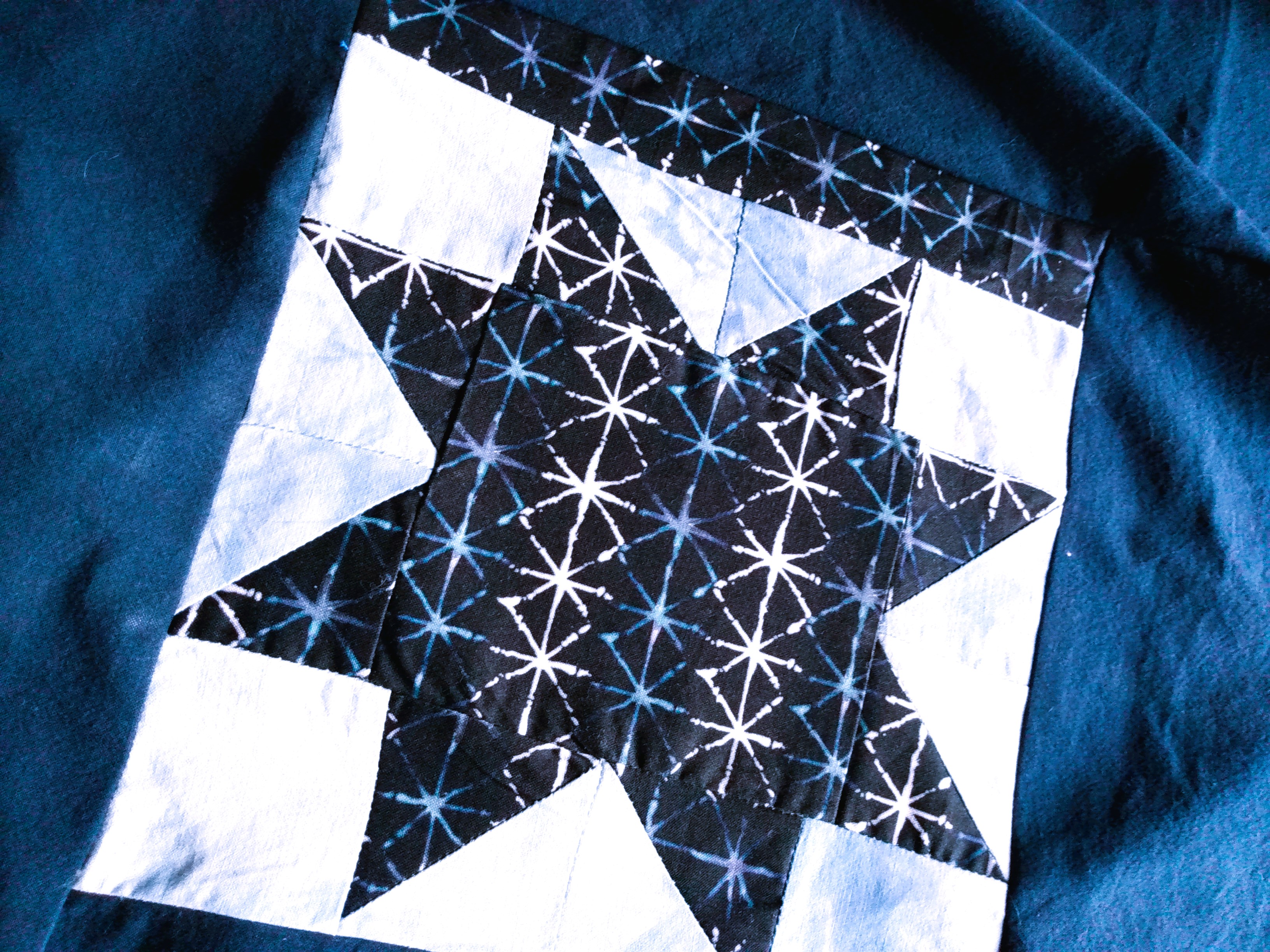
This past week, I’ve cobbled together a quilt top. I had some star blocks I pieced together a few years ago, using a Japanese print and some scraps of woad-dyed cotton, from an old sheet. They turned out the way so much of what I do turns out: the geometrics awry, the sewing uneven, edges not quite meeting, seams careless. I put them away.
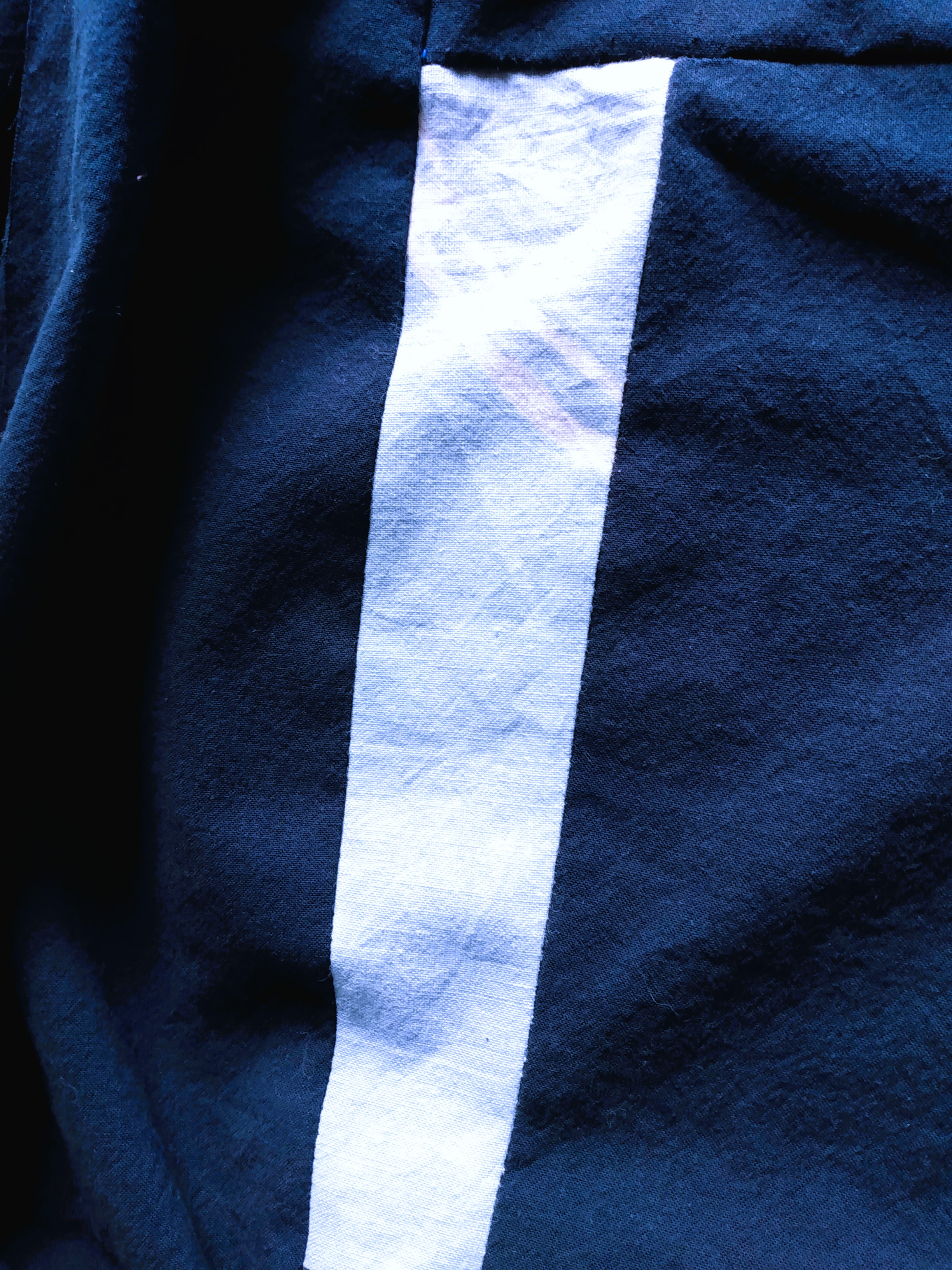
And then I got them out again. I had a large piece of deep blue cotton-linen and at first I’d try to arrange the stars as a constellation. I had in mind the Big Dipper. But the prospect of trying to use my erratic sewing skills to piece together something that deserved care and attention was daunting. I realized though that I liked the pieced stars alternating with deep blue squares. I tried to adjust for, well, the anomalies of the stars and I cobbled together a top for the quilt. But there were problems, the same ones I often encounter. The rows of pieced stars and squares were of different lengths because I hadn’t sewn them carefully enough. I knew I could use sashing to sort of ease out some of the problems but then I’d run into others in the next phase. Short of unpicking the top and putting it together more carefully, I was at a loss. But then I thought, I don’t need perfection here. I just need something I can work with a little more easily. So I cobbled together some patches. You can see one in the star on the top far left and you can see a little patch of woad-dyed sheet below it and another patch on the bottom right star.

Does perfection even matter? I’ve told myself it doesn’t in so many things I do. It’s the process, I tell myself; that’s what I love most. And the results? They are what they are. I think of the wondrous Gee’s Bend quiltmakers who created, and continue to create, the most beautiful quilts I’ve ever seen. And yes, there are lots of seams that don’t align, the geometries are quirky, but the results are astonishing.
So I am entering the cold season with a quilt to work on, a quilt of cobbled stars and patches. The stars I thought so insipid when I first pieced them together glow in their indigo sky. Last night, looking at the Aurora light wash through the darkness, pale grey and green, while Cassiopeia sat regal in her chair above Mount Hallowell, I felt the old excitement of immersing myself in the process of making something, something practical. I have in mind a recipient for this quilt, who will spread it on a bed and sleep under its lopsided seams. When the light returns in spring, I will have accomplished something imperfect and almost beautiful. Something cobbled.
Praise the mutilated worldand the gray feather a thrush lost,and the gentle light that strays and vanishesand returns.
 ...Theresa Kishkan