
This morning, I’ve been in Ireland, not really, but there in my imagination. I dreamed last night that I was standing by the window of the little cottage I rented on Inishturbot nearly 50 years ago, looking out to see the donkey who sometimes lived in my field. (The farmer who owned him moved him from one stone-fenced area to another to take advantage of the grass.) He was solitary, like me. I used to take a kitchen chair and sit in the doorway with my breakfast and he’d amble over to accept crumbs, a segment of orange, a few almonds.
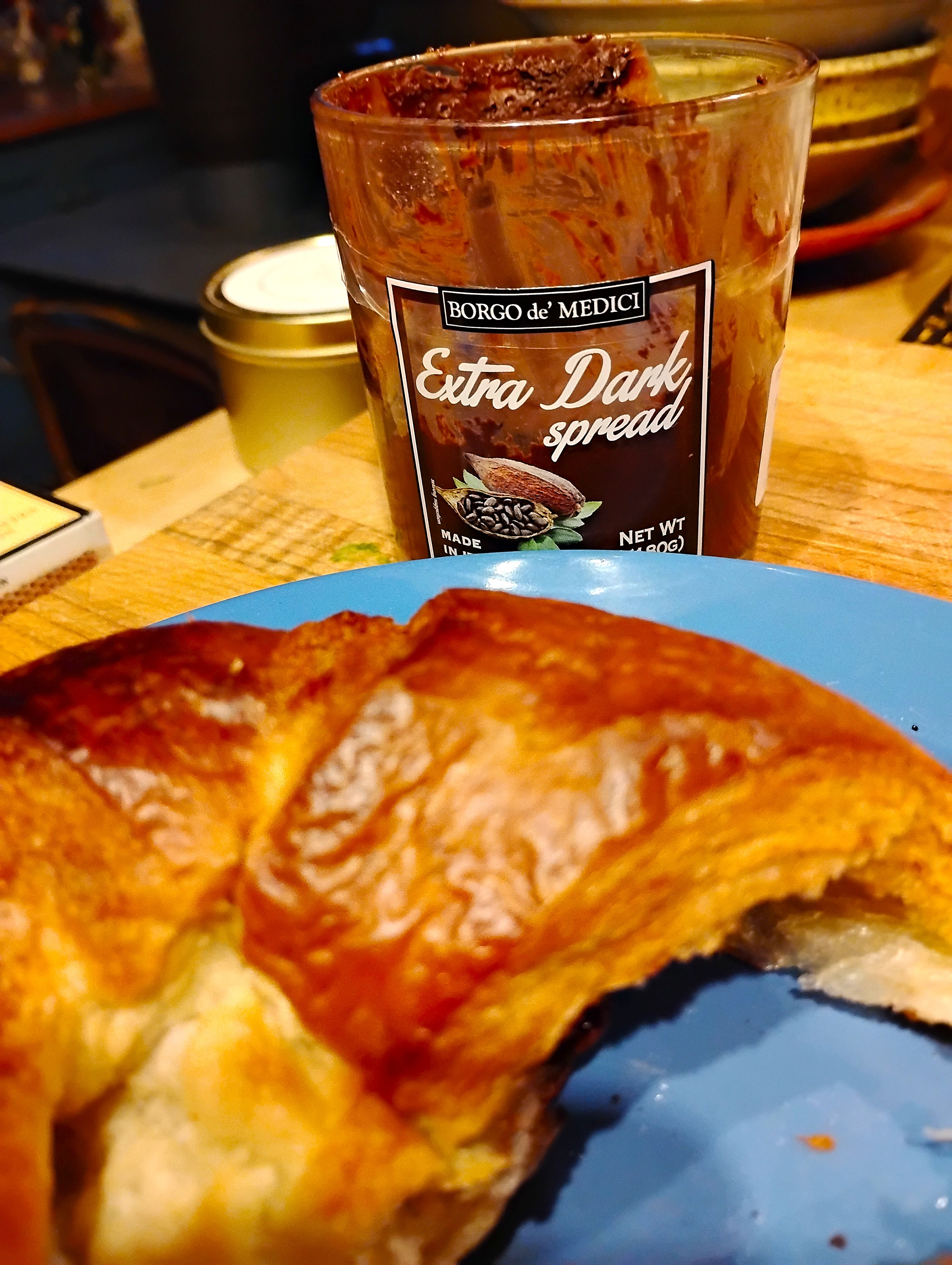
I thought about the dream as I ate my breakfast, a croissant with excellent chocolate melting into its warmed layers. The visceral sense of that time and place was a current in my spine. Sometimes that happens. You carry the intensity through your day, stopping now and then to remember how it felt to be in the doorway with a mug of instant coffee and the scent of a donkey on your hands.
Maybe I dreamed of that cottage because I’ve been re-reading my forthcoming book. Some readings and other events are being organized (the Gibsons Library in May, Munro’s in early June) and I guess I’m wondering what passages might work to suggest the book’s strengths. I don’t think I’ve found those bits yet. This passage takes me back to the Irish parts of the book but they don’t indicate the whole canvas of the work as a whole. Maybe that’s not the point though?
In many ways Turlough was the best place to arrive, its little cluster of buildings, its eleventh-century round tower topped with a conical cap. The caravan was parked at the bottom end of a field. The farmer who owned it left a hose at the top of the field for water, for Sheila and the cattle and the single donkey who lived in the field. Sheila was tiny, in her late seventies, and it was helpful for me to take a pitcher or kettle up to the tap, to empty the bucket she used as a toilet (that I used too), sheltered in a tent, anyway, to empty it along the line of fuchsia and hawthorn growing as a hedge along the stone wall separating the field from the back gardens of the row of houses that was the village. We burned the toilet paper in her little stove, along with bricks of turf and any sticks we found on our walks. Sheila had been an artist and when I told her something of my story, she said immediately, tartly, that of course he had been drawn to me but his feelings were his own business and he shouldn’t have burdened me with them. She didn’t have a lot of use for men.
I slept on a bench below the window, rolling out my sleeping bag each night and rolling it up again in the morning. There was a dog, Johnny, who’d appeared like me at the gate, wanting refuge and a place for his infected leg to heal; and several cats. Hooded crows flew over daily from the round tower where I think they roosted; their ash grey plumage, punctuated by black head, throat and tail, became familiar in the hedge as they waited for toast scraps. Sheila was a vegan but didn’t mind if I had milk on my oatmeal (she took a jam jar up to the farmer and he filled it with creamy milk from one of the cows who rubbed against the caravan). She made omelettes with millet, flavoured with snippings of wild garlic, and she made strong French roast coffee from Bewley’s in Dublin in a small brown jug, using a tea strainer to pour it into our cups. I hitchhiked into Castlebar and brought back almonds for her nut milk and cheese for myself. I brought us a bottle of French wine, and oranges. Dark chocolate, vegan approved. She picked St. George’s mushrooms and fried them in olive oil.
After a couple of days we went looking for a place for me to live. She’d arranged for me to caretake a cottage up some hills above Foxford, which we got to by bus, taking Johnny, a cottage owned by a forester she knew, but when we got there, we discovered Travellers had camped by it, burning the kitchen and sitting room floorboards for fuel. I didn’t need much but I did need a floor. She asked a few people she knew. There was a man in Louisburgh who couldn’t offer a house but did have an extra table. Someone else wondered about that house over to Parke where everyone had either died of the rheumatism or become too crippled with it to move because it was built right up against a seeping bank but he didn’t know how to get in touch with the owner, who lived in France. Someone else who occasionally brought Sheila ailing animals to care for, who knew everything about everyone, couldn’t think of anywhere likely. One morning I packed up most of my belongings and headed out to find somewhere, hitchhiking down the west coast, stopping in each small village to ask at the post office if anyone had a rough cottage they’d rent cheaply. A fish dealer in Clifden called one of his suppliers, a fishing family on an island off the coast, and they offered an empty cottage. Which was where I went, after returning to Sheila to pick up the rest of my stuff and to provide a new address for my mail. At her insistence, I went to talk to the farmer about having the donkey’s hooves trimmed. They were so long, they curled up at the ends like Arabian slippers. He smiled, sucked away on his pipe, and went on with what he was doing, which was fixing a fence with some lengths of salley.
Last night I dreamed of Ireland and in a way I am still there, the scent of a donkey, the scent of burning turf (I never had enough for a really warm fire but still the smoke penetrated my brown wool sweater so that I’d smell it for years after when I took the sweater from my trunk), and the sound of corn-crakes creaking in the tall wet grass.

 ...Theresa Kishkan